
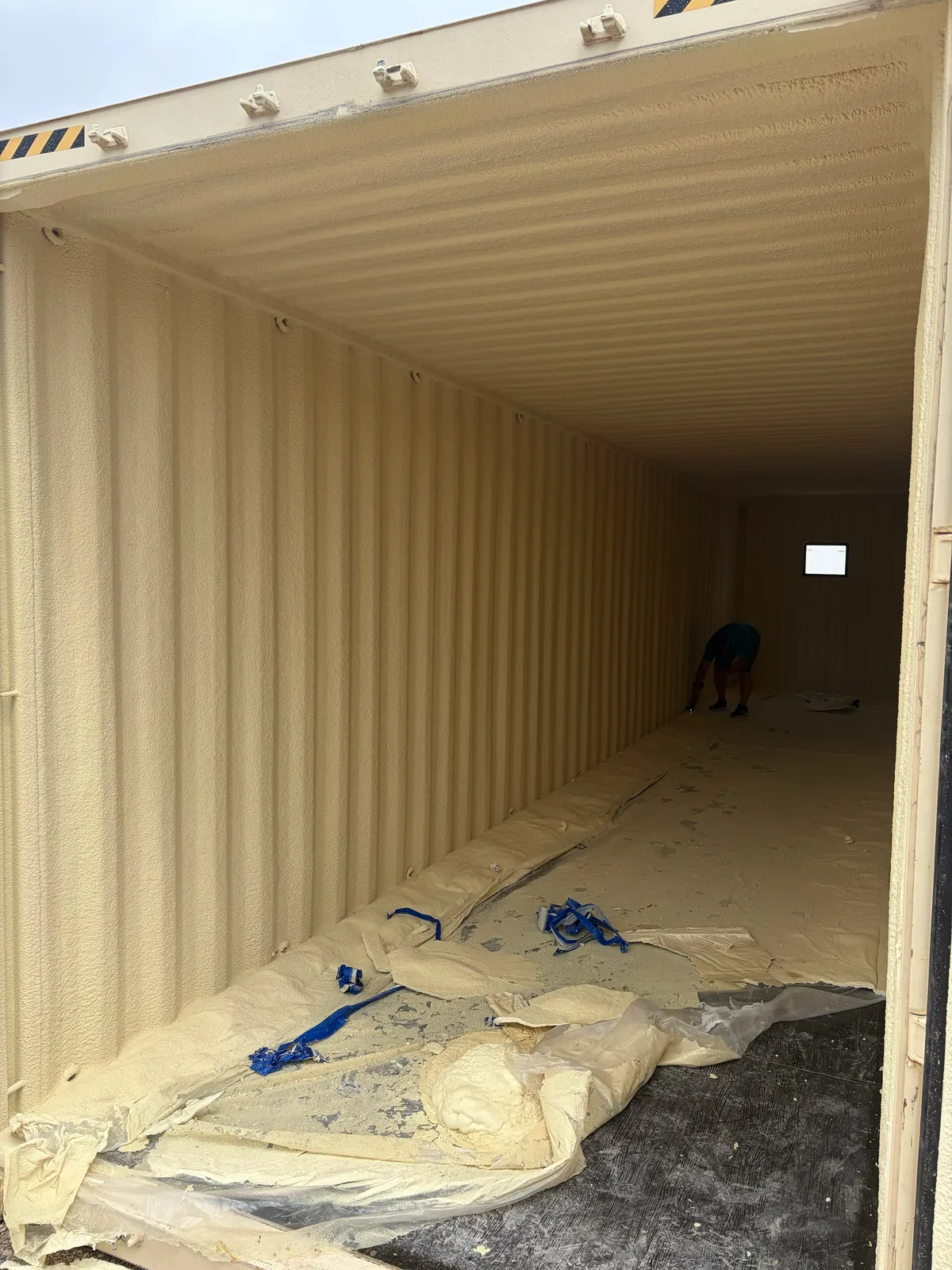
You keep a storage container cool and dry in the Texas climate by improving airflow with vents, cutting humidity with moisture absorbers and dry packing, and stepping up to an insulated unit for anything heat sensitive, which together stop the condensation that drips on stored goods.
Heat and humidity are the real challenge
A steel storage container is tough, secure, and weatherproof, but a Central Texas summer tests what is inside it. NOAA's 1991-2020 climate normals for Waco Regional Airport show average daily highs above 90 F every month from June through September, peaking at 97.1 F in August. The two things to manage are heat, which builds up fast in a sealed steel box under the sun, and moisture, which shows up as condensation when the temperature swings between day and night. Get those under control and your container will keep your belongings safe for years.
Understand condensation, or container rain
During the day, warm humid air fills the container. At night the steel cools faster than the air inside, and when that moist air touches the cool ceiling and walls it condenses into droplets, then drips back down onto whatever you are storing. People often mistake it for a roof leak. The fix is not patching the roof; it is reducing humidity and improving airflow.
Improve airflow
Moving air is your first line of defense. A few practical steps:
- Keep the factory vents clear and unblocked by stacked boxes or furniture.
- Consider adding wall vents or a roof turbine vent for long-term storage, which let hot, humid air escape continuously.
- Leave gaps between stacked items and the walls so air can circulate instead of trapping moisture against the steel.
- Open the doors on dry, breezy days to let the interior air out.
Control moisture at the source
Less humidity inside means less condensation. A few low-effort habits make a real difference:
- Make sure anything you load is fully dry; damp items release moisture for days.
- Use desiccant absorbers or moisture-control buckets, and replace them as they fill.
- Raise boxes off the floor on pallets so air moves underneath and a stray puddle never wicks up.
- Wrap metal tools and machinery, or add a rust inhibitor, since they are the items most likely to corrode.
Pack with the climate in mind
How you load the container matters as much as the unit itself. Use breathable covers rather than sealing items in plastic, which traps moisture against them. Store cardboard and upholstered furniture off the floor. Keep an aisle down the middle so air can move and so you can reach things without unpacking everything.
When to step up to an insulated container
For anything genuinely heat sensitive, electronics, paint, documents, certain inventory, ventilation alone may not be enough. An insulated container holds a much steadier interior temperature and slows the day-to-night swings that drive condensation. We cover the difference in detail in standard vs insulated containers in Texas heat, and you can see the option on our insulated containers page.
Start with a sound, dry unit
All of this assumes you are starting with a container that is wind and water tight to begin with. If you are buying, our guide on what to look for in a used container shows how to confirm the seals and floor are sound. Whether you rent or buy, we are happy to help you choose a unit that fits the Central Texas climate. Have questions? Get in touch.