
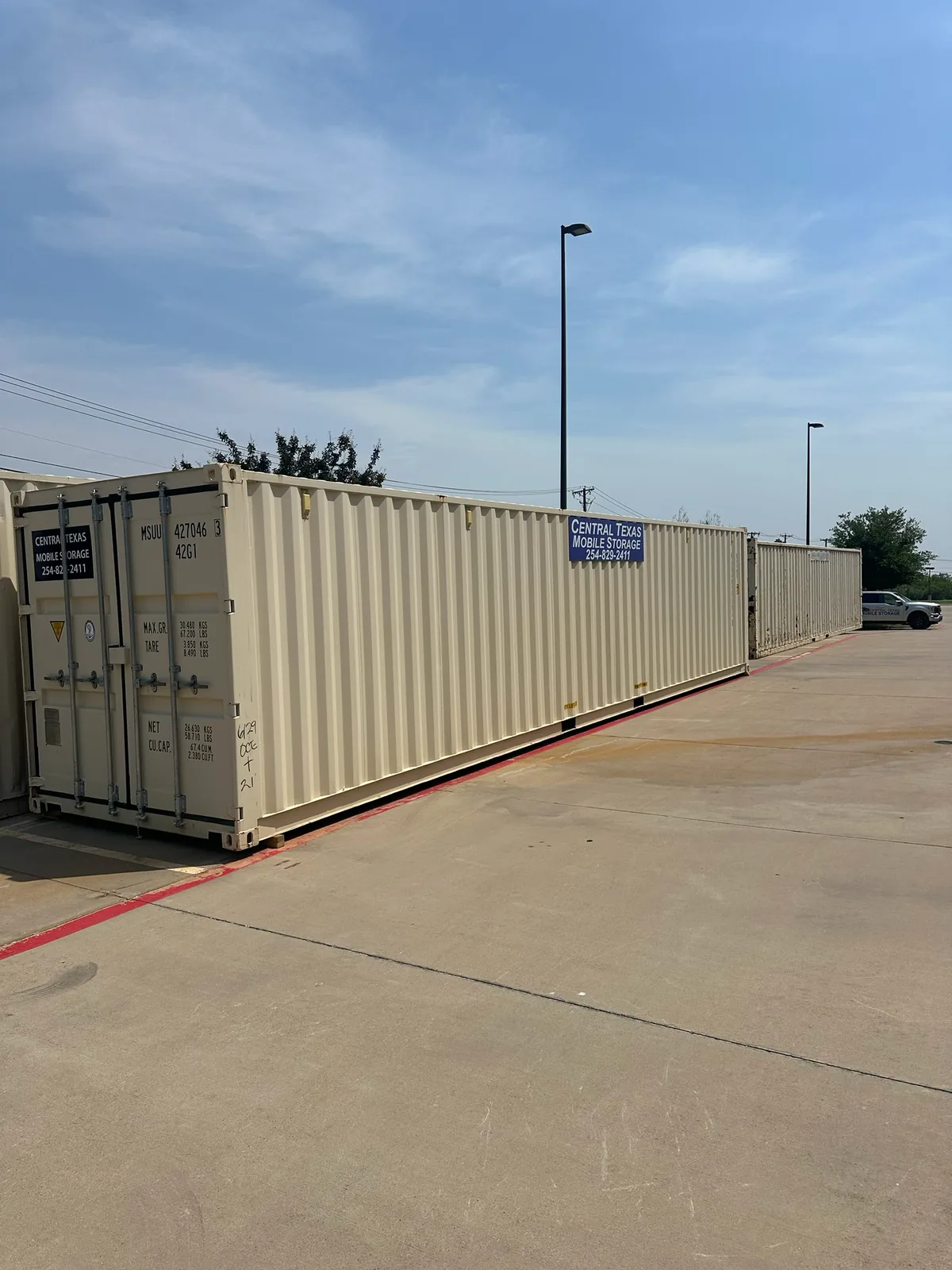
You secure a storage container by adding a welded lockbox over a disc or closed-shackle padlock, positioning the doors against a wall or fence, and keeping the spot well lit, so the lock is shielded and the doors become the hardest part to reach.
Start from a strong foundation
A steel shipping container is one of the more secure storage options you can own. The walls are corrugated steel, the doors are heavy, and the locking bars are built to take abuse. That said, the standard door handles alone are not enough to stop a determined thief. A few smart, inexpensive upgrades turn a good container into a genuinely hard target.
Use a lockbox
The single most effective upgrade is a lockbox, a steel housing welded over the door handles that surrounds your padlock on every side. Most break-ins rely on getting bolt cutters or a pry bar onto the lock. A lockbox removes that access entirely, leaving almost nothing to grab or cut. If your container does not already have one, it is well worth adding.
Choose the right padlock
Inside that lockbox, the lock still matters. A standard padlock with a long exposed shackle is easy to cut, so choose a lock built for this job:
- Disc (puck) locks have a round body and almost no exposed shackle, which is exactly why they pair so well with a lockbox.
- Closed-shackle padlocks shroud the shackle in steel so cutters cannot reach it.
- Look for hardened or boron steel and a weather-resistant body so the lock holds up outdoors in the Central Texas climate.
Position the doors wisely
Where you place the container is a free layer of security. When the site allows, set it so the doors face a wall, a fence, or another container, with just enough clearance to open them. Doors that cannot swing open cannot be forced, and an entry that is awkward to reach discourages most attempts before they start. Keep this in mind alongside the firm, level placement covered in our site preparation guide.
Light it and keep it visible
Thieves prefer dark, hidden corners. A container that sits in a well-lit, visible spot, with motion lighting if you have power on site, is far less appealing. This is not just intuition: a Campbell Collaboration systematic review by Welsh and Farrington found that improved street lighting significantly reduces crime in the areas it covers. On business and job sites, parking the container within view of cameras or regular foot traffic adds another deterrent.
Maintain the hardware
Security hardware only works if it keeps working. A little routine care goes a long way:
- Lubricate the padlock and door locking gear so they never seize, especially after wet weather.
- Check that the door seals and hinges stay sound, both for security and to keep moisture out.
- Inspect the lockbox welds and replace any lock that shows wear or rust.
Keeping the doors and seals in good shape also helps you keep the interior dry, so maintenance pays off twice.
We can help you set it up right
Whether you rent or buy, we are glad to talk through lockbox and placement options so your container is secure from day one. Request a quote or reach out with questions.